

Experience Bedouin Culture in UAE Desert Safaris
Discover Bedouin culture in UAE through desert safaris—explore traditions, tribes, lifestyle, and authentic experiences with Bedouins in UAE’s deserts.
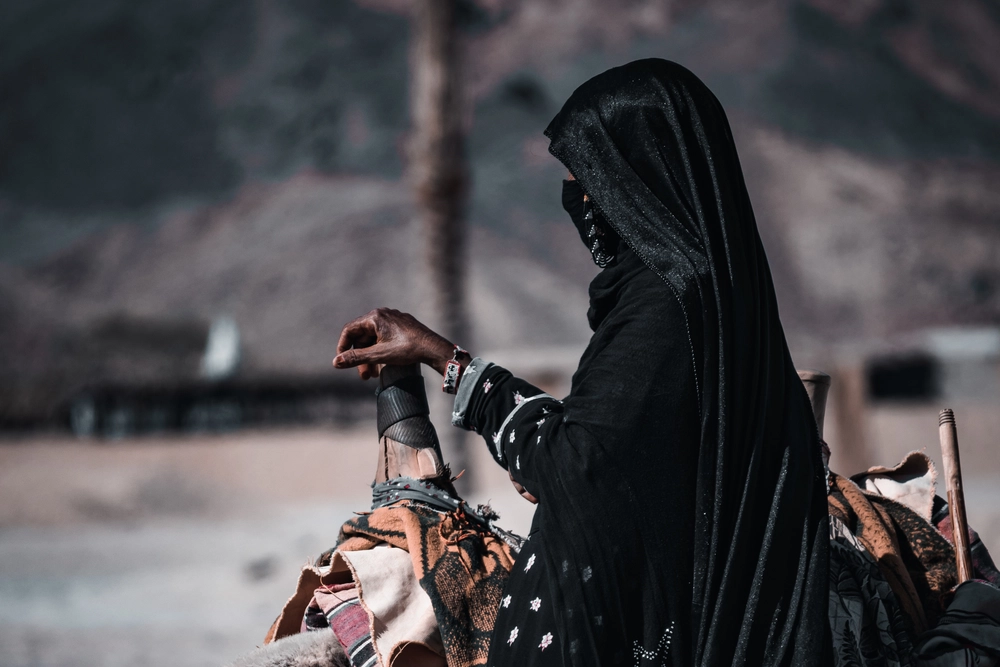
The United Arab Emirates is often defined by its futuristic skyline, luxury lifestyle, and fast-paced urban growth. But beyond the glass towers and modern highways lies something far older and far more meaningful. The true identity of the region is deeply rooted in bedouin culture in uae, a way of life shaped by survival, resilience, and community in one of the harshest environments on earth.
For travelers, understanding this cultural foundation transforms a desert safari from a simple activity into something much more immersive. It becomes a journey into the traditions that built the nation itself.
The Origins of Desert Life
Long before the rise of cities like Dubai and Abu Dhabi, bedouins in uae lived as nomadic tribes, moving across vast deserts in search of water and grazing land. Their lives were guided by seasonal rhythms, tribal alliances, and an intimate understanding of the desert environment.
According to the UAE Government Official Portal, Bedouin society played a central role in shaping the social and political foundations of the Emirates. Tribes such as Bani Yas were instrumental in the formation of modern UAE leadership structures.
This was not just a way of survival. It was a system of values. Loyalty, honor, and hospitality were not optional. They were essential.
Life in the Desert: More Than Survival
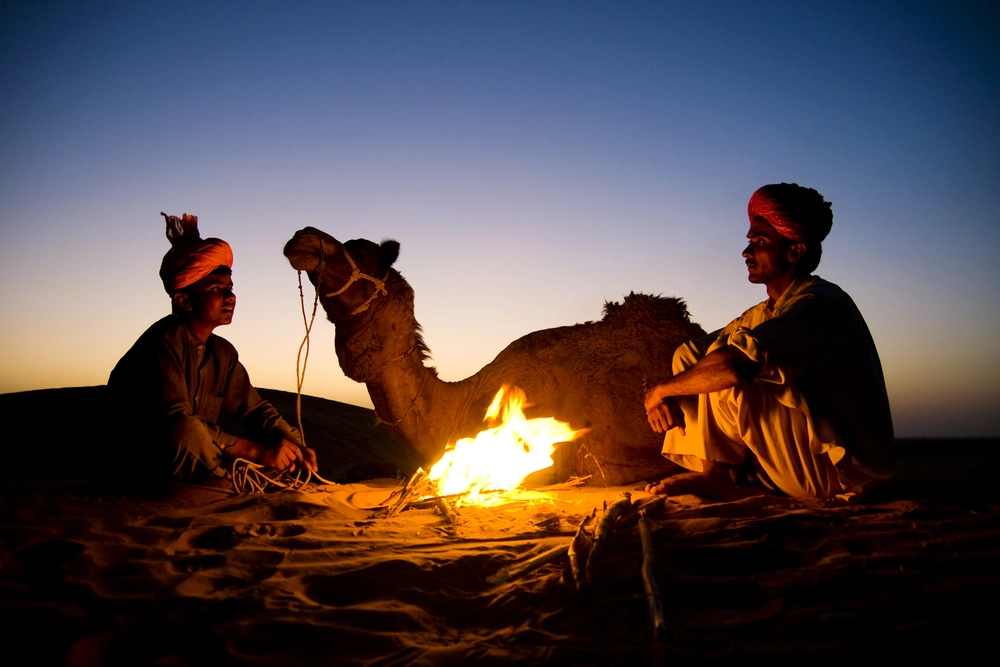
The bedouin lifestyle was built on adaptability. Every aspect of daily life was designed to respond to the desert’s extreme conditions.
Their homes, known as Bait Al Sha’ar, were made from woven goat hair. These tents were portable, breathable, and remarkably suited to desert climates. In coastal areas, palm frond houses offered a different type of shelter, showing how bedouin tribes adapted based on geography.
Water was scarce, so knowledge of hidden wells and desert navigation was critical. Food sources ranged from dates and camel milk to occasional hunted meat. Camels themselves were central to survival, often called the “ships of the desert” because they enabled long-distance travel.
The Code of Hospitality
One of the most defining elements of bedouin culture is hospitality. In the desert, refusing a guest was not just impolite. It was dangerous. Survival often depended on mutual support.
Guests were welcomed with Arabic coffee, known as gahwa, served alongside dates. The ritual itself carried meaning. Coffee was poured in small amounts, and the host remained attentive to the guest’s comfort at all times.
The majlis, a traditional seating area, served as the heart of social life. It was a place where stories were shared, disputes were resolved, and bonds were strengthened.
Thomas Riveyran, an author in Placement International, notes that hospitality in Bedouin society was “not an act of generosity but a reflection of identity. It defined who you were as a person and as a tribe.”
Oral Traditions and Cultural Expression
Without written records, storytelling became the primary way to preserve knowledge. Poetry, especially Nabati poetry, was used to document events, express emotions, and pass down wisdom.
One unique form of expression is Al-Taghrouda, a rhythmic chant performed during camel journeys. Recognized by UNESCO as intangible cultural heritage, it reflects the deep connection between people and the desert landscape.
Music, dance, and crafts also played a role in preserving identity. From weaving textiles to crafting tools, every skill had both practical and cultural significance.
From Nomads to Nation Builders
The discovery of oil in the mid-20th century transformed the UAE rapidly. Many bedouins transitioned from nomadic life to permanent settlements. Modern infrastructure replaced traditional systems, but cultural values remained deeply embedded.
The Louvre Abu Dhabi offers exhibitions that trace this transformation, showing how traditional life evolved into a modern society while preserving its roots.
Today, Bedouin heritage is actively protected and celebrated. Festivals, museums, and cultural programs ensure that future generations remain connected to their history.
Experiencing Bedouin Culture Through Desert Safaris
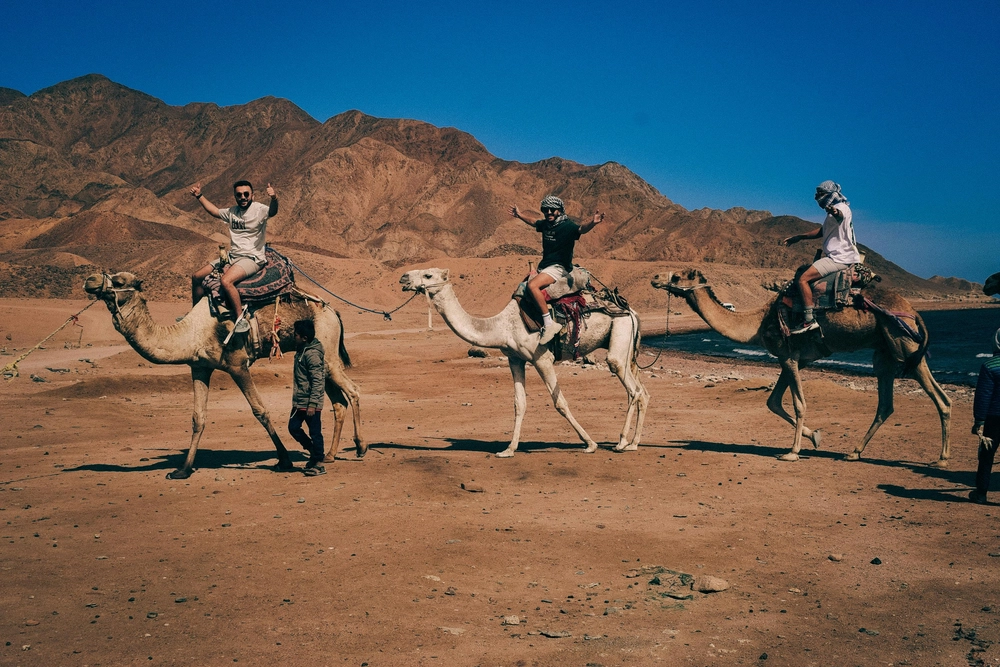
For travelers, the most accessible way to experience bedouin culture in uae is through desert safaris. However, not all experiences are the same.
Many commercial safaris focus on entertainment. Dune bashing, shows, and buffet dinners dominate the itinerary. While enjoyable, they often provide only a surface-level glimpse into the culture.
Authentic desert experiences aim to go deeper. They recreate elements of traditional life, offering insights into customs, food, and social practices.
At camps designed with cultural authenticity in mind, visitors can:
This approach aligns with the growing demand for meaningful travel. According to the World Tourism Organization, modern travelers increasingly seek cultural immersion rather than passive entertainment.
During one evening in the desert, just after sunset, the atmosphere shifted completely. The noise of vehicles faded, replaced by silence and soft wind across the dunes.
Sitting in a majlis setup, a host quietly poured gahwa into small cups. No rush. No distraction. Just a simple ritual repeated for generations.
It was in that moment that the desert felt less like a destination and more like a living story. The experience was not about activities. It was about understanding how people once lived, and how those traditions still echo today.
- Sit in a traditional majlis setting
- Watch live demonstrations of coffee preparation
- Learn about falconry, a historic hunting practice
- Experience camel riding in its cultural context
- Enjoy traditional performances rooted in heritage
Why Authenticity Matters
As desert tourism grows, the challenge is preserving cultural integrity. Not every safari reflects true heritage, and some experiences reduce traditions to performances.
Fatima Al Mazrouei, a UAE heritage consultant, emphasizes that “authentic representation is not about recreating the past perfectly. It is about احترام, respect for the values and stories behind each tradition.”
This is where carefully curated desert camps make a difference. By integrating cultural education with experience, they bridge the gap between past and present.
How to Choose the Right Desert Safari
If your goal is to truly understand the desert’s heritage, consider these factors when selecting a safari:
This ensures your journey reflects the depth of bedouin culture in uae rather than a simplified version of it.
- Look for camps that highlight cultural storytelling, not just entertainment
- Check if traditional practices like coffee rituals and falconry are explained, not just displayed
- Choose experiences that limit crowd size for a more personal connection
- Prioritize operators known for authenticity and heritage alignment
The Living Legacy of the Desert
The story of the UAE is not just about rapid development. It is about transformation without losing identity.
The values of the desert still influence modern Emirati life. Hospitality remains central. Community still matters. Respect for tradition continues to shape national identity.
Experiencing this culture is not about looking into the past. It is about understanding the foundation of the present.
Final Thoughts
A desert safari can be thrilling, relaxing, or entertaining. But when approached with intention, it becomes something far more powerful.
It becomes a connection to a heritage that has endured for centuries.
To truly appreciate the UAE, you have to step beyond the city and into the desert. Because that is where the story began.