
Ultimate Desert Packing List: What to Bring to the Desert
The desert is a landscape of extremes where the golden horizons and peaceful silence can quickly turn into a survival challenge if you arrive unprepared. Many travelers venture into these arid environments expecting only heat but they are often caught off guard by the biting cold of the night and the abrasive power of windblown sand.
If you choose the wrong fabrics or forget to manage your internal temperature, a dream vacation can easily become a series of painful blisters and heat related fatigue. This guide provides the ultimate desert packing list to ensure you navigate the dunes with the confidence of a seasoned explorer.
Why You Need a Smart Desert Packing List
Packing for the desert is not just about comfort; it is about physiological preservation. Unlike other climates where humidity acts as a buffer, the desert features a rapid energy transfer that causes temperatures to swing violently.
Famous survival expert Bear Grylls often notes that adventure truly begins when things start to go wrong, and in the desert, things go wrong when your gear fails to mitigate environmental stress. You are dealing with intense ultraviolet radiation during the day and a total lack of thermal insulation at night.
A smart packing list acts as a redundant system of protection. It addresses the fact that your body can lose over one liter of water every hour through perspiration, often without you even feeling wet because the sweat evaporates so quickly.
Experts from the National Park Service emphasize that preparation is the cornerstone of safety, and having the right items in your bag allows you to focus on the beauty of the landscape rather than the discomfort of the climate.
What to Bring to the Desert (Quick Checklist)
For those in a hurry, here is a baseline inventory of the essentials required for any desert expedition. These items represent the minimum standard for safety and comfort in arid terrain.
- Loose linen or cotton long sleeved shirts for sun protection.
- Lightweight trousers to guard against sand and defensive vegetation.
- A broad brimmed hat that covers your ears and the back of your neck.
- UV 400 rated sunglasses to prevent peripheral glare and eye strain.
- Sand resistant hiking shoes with a gusseted tongue.
- A minimum of three liters of water per person for a standard day trip.
- Electrolyte powders containing sodium, potassium, and magnesium.
- High SPF broad spectrum sunscreen and SPF rated lip balm.
- A portable power bank with at least 10,000 mAh capacity.
- A basic first aid kit featuring tweezers and high adhesion bandages.
Clothing Essentials for a Desert Trip
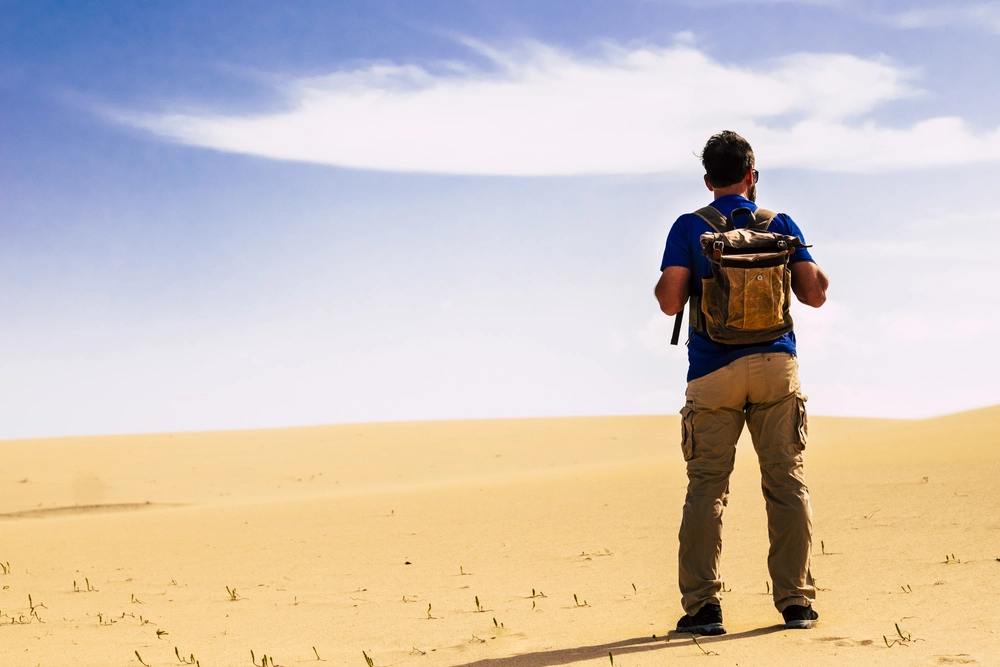
The science of desert clothing centers on the principle of maximum coverage with minimum thermal resistance. While it might seem logical to wear as little as possible in the heat, exposing your skin actually increases the rate of dehydration and the risk of solar dermatitis. Industry veterans recommend covering up with light colors that reflect the sun’s rays rather than absorbing them.
Breathable Daywear
For daytime activities, the choice of fabric is your most important decision. Natural fibers are generally superior to synthetics in dry heat because of how they handle moisture. Linen is widely considered the gold standard for desert wear because it is made from flax plant fibers which have a straight structure and allow for exceptional airflow.
Cotton is also a viable option because it holds onto moisture longer than synthetic fabrics. This allows it to act as a natural cooling system for the body through evaporation. Many professional desert hikers actually douse their cotton shirts in water to enhance this cooling effect. However, you must be careful to change out of damp cotton before the sun sets to avoid a rapid drop in body temperature.
Warm Layers for Cold Nights
When the sun disappears, the desert floor loses its heat almost instantly. This diurnal temperature variation can cause drops of 20 degrees Celsius or more in a single night. To stay warm, you need a modular layering system. A base layer made of lightweight merino wool is an excellent choice because it regulates temperature and resists odors during long trips.
For your mid layer, a synthetic fleece or a lightweight insulated jacket is preferable. While down is excellent for warmth, synthetic insulation is more resilient if it gets damp from the morning dew. A windbreaker or a light shell is also essential for the outer layer to block the convective heat loss caused by relentless desert winds.
Desert-Friendly Bottoms
Your choice of trousers must balance protection with ventilation. Desert plants are frequently defensive, featuring thorns and spikes that can easily scratch exposed legs. Loose fitting trousers are the most effective choice because they create a layer of air between the fabric and your skin which serves as an insulator against the sun.
Many travelers prefer convertible pants that zip off into shorts, but you should keep the legs attached during hikes to protect yourself from cactus spines and potential stings from scorpions hidden in the brush. Modesty is also a factor in many desert regions, particularly in the Middle East, so choosing full length trousers shows cultural respect while providing the best environmental protection.
Best Footwear for Desert Terrain
Footwear is the most critical mechanical interface between you and the environment. The desert terrain is often a mix of soft dunes and sharp volcanic rock, and your shoes must be able to handle both while keeping abrasive sand away from your skin.
Sand-Ready Shoes
The primary failure point for desert footwear is sand intrusion. Fine grains of sand act as high grit sandpaper against your feet, leading to severe blisters very quickly. To test if a shoe is sand resistant, professionals use the flashlight test.
If you hold a high intensity light inside the shoe and can see it through the upper mesh, the shoe will let in too much sand. Look for shoes with a gusseted tongue where the tongue is sewn to the upper on both sides. This creates a continuous barrier against debris.
When Sandals Are Okay (And When They’re Not)
Sandals are perfect as a recovery item to wear around a campsite after a long day of trekking. They allow your feet to breathe and dry out, which is essential for preventing fungal issues. However, they are dangerous for dune climbing or hiking. The surface of the sand can be significantly hotter than the air, often reaching temperatures that can cause burns on the soles of your feet. Additionally, sandals provide zero protection against the bite of a Mojave rattlesnake or the spines of a jumping cactus.
Sun Protection Must-Haves
Ultraviolet radiation in the desert is intensified by low atmospheric moisture and the high reflectivity of light colored sand. You should view sun protection as a redundant system of physical and chemical barriers.
A broad brimmed hat with at least a three inch brim is your first line of defense. Baseball caps are generally inadequate because they leave your ears and neck exposed. Sunglasses must be rated for UV 400 protection to block both UV A and UV B rays.
Wraparound styles are preferred because they prevent peripheral glare which can lead to photokeratitis, also known as a sunburn of the cornea. For your skin, use a broad spectrum sunscreen with an SPF of at least 30 and remember to reapply it every two hours as sweat and friction from your clothing will wear it away.
Hydration & Food Essentials
Staying hydrated in the desert is a proactive task. Thirst is actually a lagging indicator of your body’s needs. By the time you feel thirsty, you have likely already lost 1% to 2% of your body weight in water, which can impair your ability to make safe decisions on the trail.
The National Health and Nutrition Examination Survey suggests a baseline intake of 3.7 liters for men and 2.7 liters for women, but in the desert, this requirement increases. You should aim for approximately one liter of water per hour of moderate activity.
To maintain your energy, pack snacks that are high in electrolytes but low in sugar. Watermelon, oranges, and nuts are excellent choices because they provide hydration and essential minerals like sodium and potassium.
Desert Safari & Adventure Gear
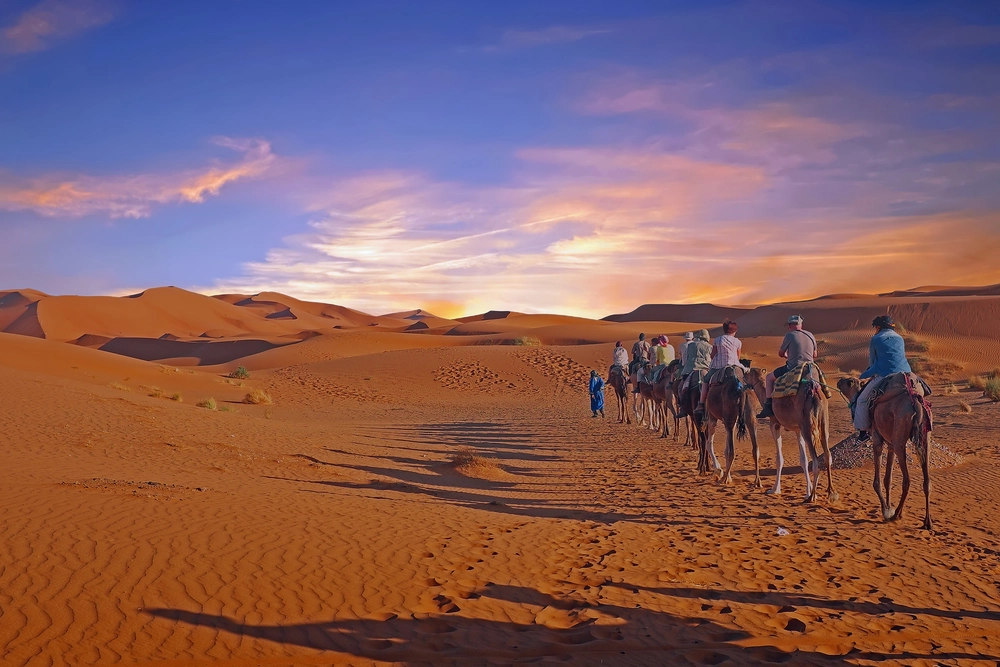
If you are participating in a desert safari, you will encounter mechanical and kinetic risks that require specific preparation. Many operators provide safety gear, but knowing what to bring yourself can enhance your experience.
For Dune Bashing
Dune bashing involves high speed navigation of steep sand slopes. The primary risk is motion sickness caused by the sensory conflict between your inner ear and your eyes. Focusing on a stable point on the horizon to help balance your senses. Sitting in the front passenger seat next to the driver also helps because you can see the turns coming, which allows your brain to process the movement more effectively.
For Dune Buggy or Quad Biking
Motorized sports in the desert demand protective equipment similar to motocross. A helmet is non-negotiable, and goggles are essential to maintain visibility when the vehicles in front of you kick up sand spray. You should also wear gloves to improve your grip and protect your hands from the metal components of the bike which can become incredibly hot in the sun.
For Camel Riding
A camel’s gait is a rolling motion that can cause significant inner thigh chafing. You should always wear full length, loose fitting trousers for this activity. Short shorts are impractical and will result in skin irritation from the saddle and the camel’s coarse fur.
For Desert Camping (Overnight Stay)
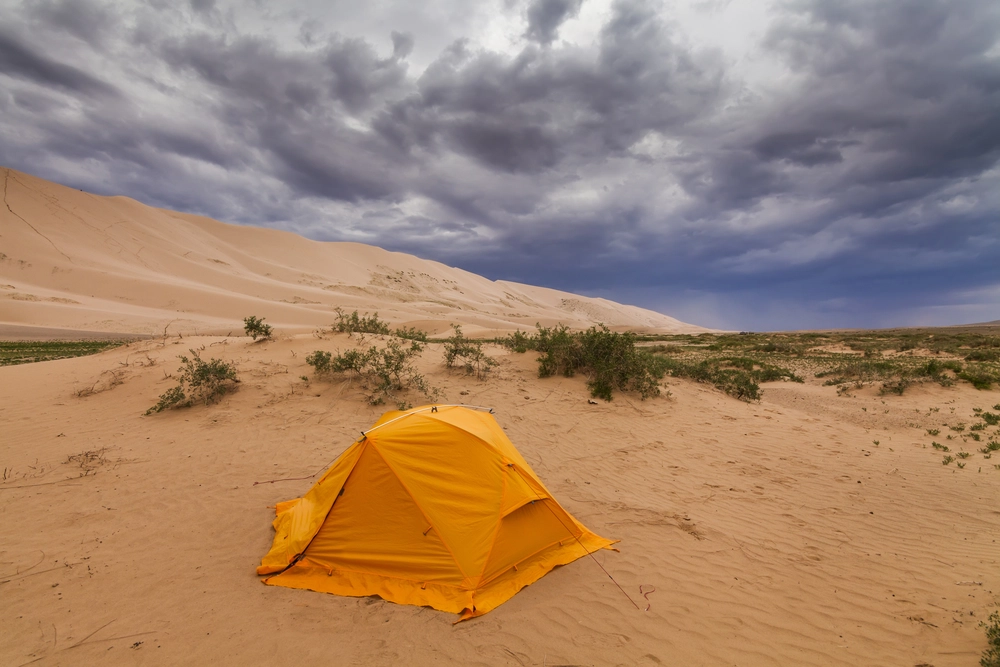
For an overnight stay, your sleeping system must be rated for the expected nighttime lows. A sleeping bag with a comfort rating of 0°C is a safe choice for most desert environments. Equally important is the R value of your sleeping pad. The ground in the desert acts as a massive heat sink, drawing warmth from your body through conduction. A pad with an R value of at least 3.0 is necessary to provide the thermal resistance you need to stay warm through the night.
Electronics & Camera Gear for the Desert
The desert is notoriously hard on electronics due to heat soak and grit infiltration. Fine dust can jam focusing rings and scratch camera sensors if you are not careful.
- Use an optical flat or a UV filter to protect your lens glass from scratches.
- Never wipe sand off a lens with a cloth as this acts like sandpaper; use a bulb blower instead.
- Keep your gear in a sealed bag when not in use to prevent dust from entering the ports.
- Cover your camera with a reflective space blanket during breaks to prevent it from overheating.
- Bring extra batteries because heat can cause lithium ion cells to drain faster than usual.
Safety & Emergency Items
A desert emergency kit should be specialized for the unique hazards of the environment. Standard plastic bandages often fail because of dust and sweat, so you should pack high adhesion fabric bandages instead. A fine toothed comb is actually a vital safety tool; it is the best way to flick away cactus spines from your skin without using your hands and getting further embedded.
In cases of extreme heat stress, instant cold packs can be life saving. Applying them to the femoral and carotid arteries can help cool the blood quickly. It is also important to note that modern medical consensus discourages the use of suction kits for snake bites. The only effective treatment is professional medical care and anti venom, so your priority should always be a fast evacuation.
Things NOT to Bring to the Desert
Certain items are inherently incompatible with the desert climate. I remember my first trip to a desert environment where I made the classic mistake of wearing heavy denim jeans. Within hours, the thick fabric had absorbed my sweat and the heat, leading to painful chafing and a heat rash that made walking almost impossible. I spent the rest of the trip wishing I had chosen linen.
Avoid bringing dark colored clothing because it absorbs the visible spectrum of sunlight and can be up to 10 degrees Celsius hotter than light colored fabrics. You should also skip heavy perfumes or fragrances which can attract insects and become overwhelming in the dry air. Finally, avoid using low quality plastics like number 3 PVC or number 6 polystyrene for your water containers. These materials can leach harmful chemicals into your water when they are exposed to the intense desert heat.
Desert Packing List by Season
The challenges of the desert shift radically throughout the year. Your list should be adjusted based on the specific month of your visit.
Summer Desert Trip (April – October)
The primary threat during these months is hyperthermia. With ambient temperatures often exceeding 45°C, your focus must be on moisture management. Pack ultra lightweight linen and ensure you have at least one gallon of water per person for every few hours of activity. This is the time to prioritize electrolyte powders with high sodium content to combat heavy sweat loss.
Winter Desert Trip (November – March)
While the days are mild and pleasant, the nights can be dangerously cold. You will need a heavy insulated jacket and warm wool socks for the evenings. This is the most popular time for safaris, so expect more crowds and ensure your gear is ready for the 20 degree temperature shifts that occur at sunset.
Spring & Autumn (Mild Season)
These shoulder seasons are defined by wind and unpredictability. This is the peak time for sandstorms. A high quality shemagh or a neck gaiter is essential during these months to protect your respiratory tract from fine dust. Windbreakers are also necessary to handle the sudden gusts that can occur as thermal pressure systems shift across the dunes.
What to Pack for a Short Safari vs Overnight Desert Camp
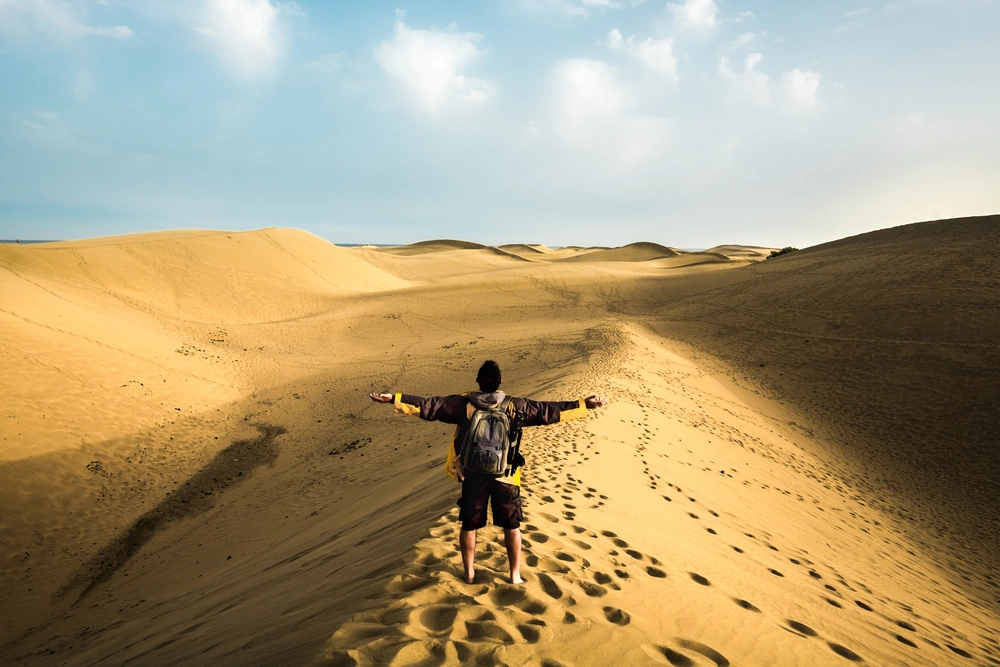
A short safari lasting four to six hours requires a small daypack with two liters of water, sunglasses, and a light windbreaker. If you are staying overnight, you must significantly increase your inventory. You will need six to eight liters of water to cover your drinking and hygiene needs, along with an ISO rated sleeping bag and a high capacity power bank of at least 20,000 mAh to keep your navigation and emergency devices charged.
Printable Desert Packing Checklist
- Two long sleeved linen or moisture wicking shirts.
- One pair of loose fitting trekking trousers.
- One set of merino wool base layers for the night.
- A broad brimmed sun hat and polarized sunglasses.
- Sand resistant hiking boots and camp sandals.
- Three liters of water and electrolyte tablets.
- A first aid kit with tweezers and fabric bandages.
- A high capacity power bank and charging cables.
- A shemagh or cotton scarf for dust protection.
- SPF 30 plus sunscreen and lip balm.
Final Tips for Packing Smart for the Desert
The most effective desert traveler is one who respects both the environment and the local culture. Dress modestly not just for sun protection but to honor the traditions of the communities you visit. Always let someone know your itinerary before you head out into the dunes, as cell service can be non-existent once you leave the main roads.
By following these principles of material science and physiological safety, you can ensure that your journey through the desert is defined by the majesty of the landscape rather than the hardships of the climate. Packing light but packing right is the secret to a successful adventure under the desert sun.