

Ultimate Dubai Itinerary Guide – Plan Your Perfect Trip
Plan the perfect Dubai itinerary with this guide. Discover a complete Dubai 3 day itinerary, top attractions, travel tips, and the best way to explore Dubai.
Planning a trip to a city as dynamic as Dubai can feel like trying to navigate a complex maze while blindfolded. The sheer scale of the city and the speed at which it evolves often leave even seasoned travelers feeling overwhelmed before they even arrive. If you simply show up without a tactical roadmap, you are likely to spend a significant portion of your holiday stuck in traffic or facing the disappointment of sold out attractions.
Imagine arriving at the stunning Museum of the Future only to be told that the next available ticket is three weeks away, or realizing that the beach club you wanted to visit is a ninety minute commute from your hotel in the historic district. In 2026, the city operates on a reservation first economy where the most iconic experiences are often booked out well in advance. This guide is designed to synchronize your journey with the city’s latest logistics, ensuring you maximize every hour while avoiding the typical tourist traps.
By following this ultimate itinerary, you will move beyond the superficial skyline views and dive into the authentic heart of the Emirates. We have gathered industry insights and verified logistical data to help you master the linear geography of this metropolis, whether you have twenty four hours or a full week to explore.
Why You Need a Well-Planned Dubai Itinerary
The primary reason a structured plan is necessary involves the unique geography of the United Arab Emirates. Dubai is not a concentric city with a single central hub; instead, it is a linear megalopolis stretching over fifty kilometers along the coast. Major tourist anchors are separated by significant distances.
For instance, the journey from the traditional souks of Deira to the high rises of Dubai Marina is nearly thirty kilometers, which can take over an hour depending on traffic conditions on the main Sheikh Zayed Road artery.
Expert insights from SmartFlyer suggest that travelers in 2026 are increasingly seeking deep luxury, which prioritizes personalized and human centric service over mere material display. To achieve this level of immersion, you must group your activities geographically. Without a plan that clusters attractions by district, visitors often succumb to transit fatigue, spending more time in the back of a taxi than enjoying the landmarks.
Additionally, many of the city’s newest record breaking projects, such as the Ciel Tower or the Burj Binghatti residences, are located in high density zones where parking is a challenge, making a public transport strategy essential.
Quick Dubai Travel Tips Before You Go
Before you board your flight, there are several regulatory and cultural prerequisites to understand. In early 2026, the introduction of the GCC Grand Tours visa has revolutionized regional travel, allowing visitors to move seamlessly between the UAE, Saudi Arabia, Qatar, Bahrain, Kuwait, and Oman with a single digital permit. You can find more details on entry requirements at the official portal.
Cultural etiquette remains a cornerstone of the Emirati experience. While the city is cosmopolitan, modesty is expected in residential areas and places of worship. This means keeping your shoulders and knees covered when visiting government buildings or historic neighborhoods.
Alcohol consumption is strictly limited to licensed venues like hotels and clubs, and there is a zero tolerance policy for drinking and driving, with a legal limit of 0.00 percent blood alcohol content.
Medication laws are another critical area of focus. Many common over the counter drugs used in other countries are classified as controlled substances here. If you are bringing prescription medication, you must carry the original prescription and a medical report.
It is highly recommended to apply for an online permit through the Ministry of Health and Prevention website before your arrival to avoid legal complications at the airport.
Dubai Itinerary for 1 Day
If you only have one day, perhaps due to a long layover at Dubai International Airport, your schedule must focus on the city’s three core identities: its historical roots, its modern verticality, and its maritime charm.
Morning – Explore Old Dubai
Start your morning in the Al Fahidi Historical Neighborhood. This district dates back to the late nineteenth century and features traditional wind tower architecture designed to funnel cool air into the homes. I still remember my first visit to Al Fahidi; the quiet, narrow alleys felt like a complete world away from the glass skyscrapers I had seen from the airplane window. I sat in a small courtyard café, sipping traditional Arabic coffee, and felt a profound sense of the city’s origins.
After wandering through the heritage district, walk to the nearby Dubai Creek and take a traditional wooden abra boat. These water taxis cost only 1 AED and offer a scenic three minute ride to the Deira side of the water. Once in Deira, explore the Gold and Spice Souks. The Gold Souk is home to the world’s heaviest gold ring, while the Spice Souk offers a sensory explosion of saffron, frankincense, and dried hibiscus.
Afternoon – Downtown Dubai Highlights
By midday, transition to the modern center of the city, Downtown Dubai. This area is anchored by the Burj Khalifa, the tallest building on earth. You should book timed entry tickets for the At the Top observation deck on the 124th and 125th floors weeks in advance to ensure you can witness the desert meeting the ocean from 452 meters in the air.
Adjacent to the tower is the Dubai Mall, which is much more than a shopping center. You can view the massive Dubai Aquarium tank from the outside for free, or visit the Dubai Dino, a genuine Jurassic era fossil displayed in the public promenade. For a unique view, head to the Sky Views Observatory, which offers a glass slide and a walkway that puts you right at the edge of the skyline.
Evening – Marina or Desert Experience
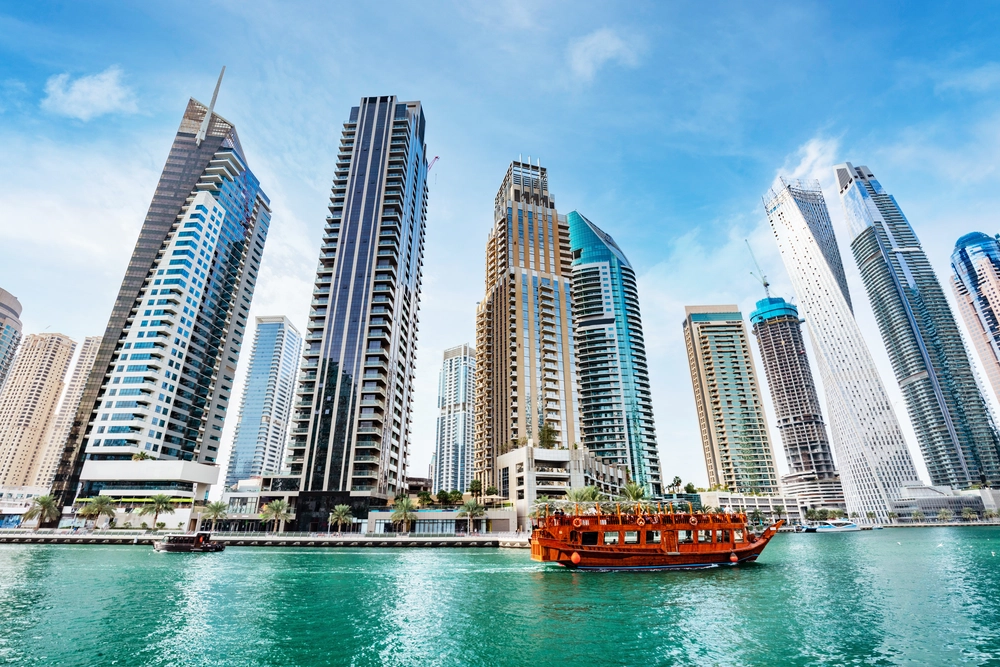
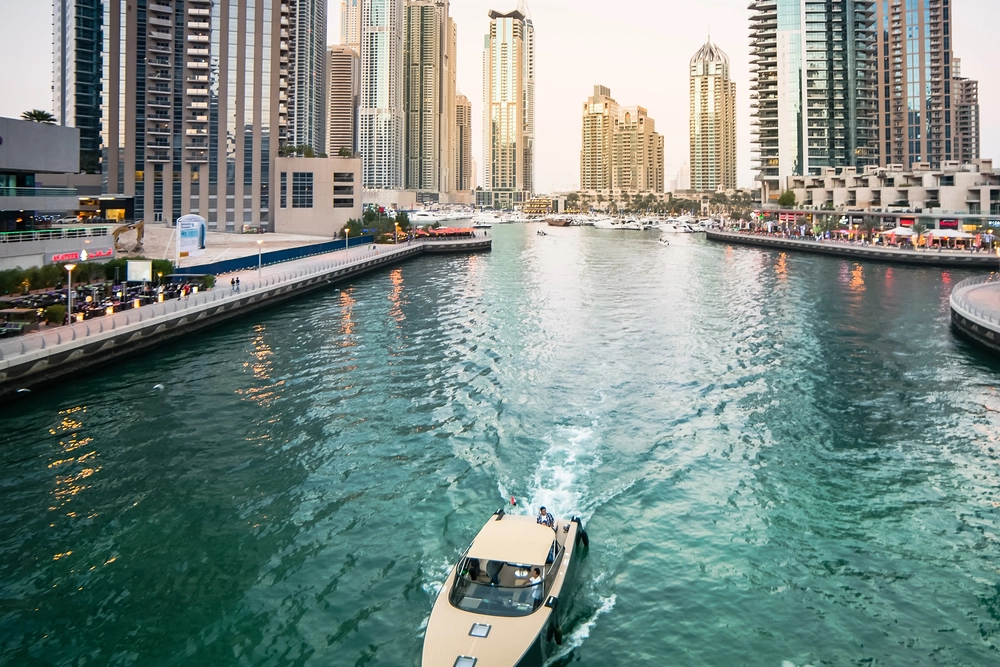
As the sun begins to set, you have two distinct choices. You can head south to Dubai Marina to walk the seven kilometer promenade surrounded by super tall skyscrapers. A luxury yacht dinner cruise here is a fantastic way to see the city lights while enjoying local cuisine.
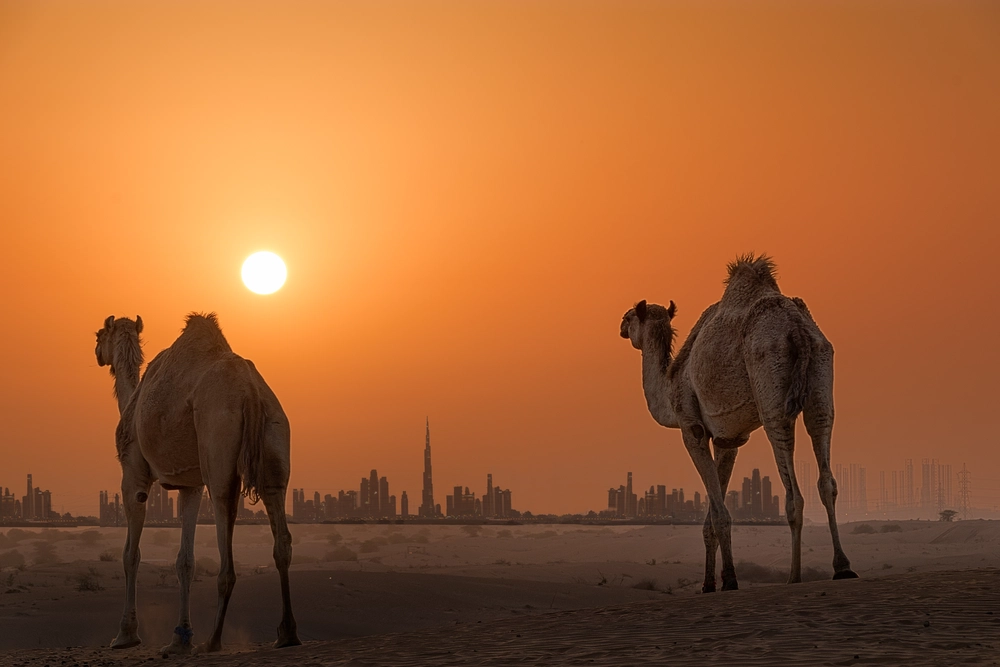
Alternatively, you can book an evening Desert Safari. Most tours include 4x4 dune bashing, camel riding, and sandboarding, followed by a traditional barbecue dinner at a Bedouin style camp. This experience offers a quiet contrast to the city’s neon lights, allowing you to enjoy a starry sky in the middle of the dunes.
Dubai Itinerary for 3 Days
Within three days, you can expand your journey to include more technological marvels and deeper cultural sessions.
Day 1 – Modern Dubai & Downtown
On your first full day, dedicate your time to the future. Start at the Museum of the Future, an architectural masterpiece inscribed with Arabic calligraphy. Because this is the most sought after ticket in the UAE, you must book it at least three to four weeks before your trip.
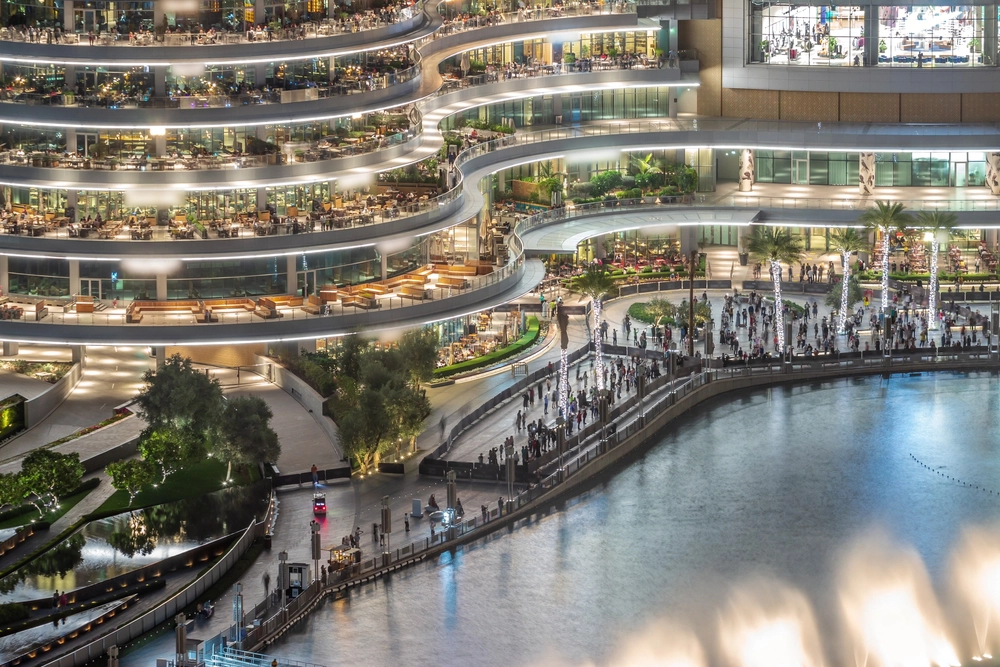
In the evening, secure a spot at the Dubai Fountain at the base of the Burj Khalifa. The shows run every thirty minutes from 6:00 PM and feature water jets choreographed to music. For a better perspective, you can take a small boat ride on the Burj Lake during the performance to get as close as possible to the water sprays.
Day 2 – Old Dubai & Cultural Gems
Spend your second day engaging with the local culture. Participate in a cultural lunch at the Sheikh Mohammed bin Rashid Al Maktoum Centre for Cultural Understanding in Al Fahidi. These sessions allow you to ask questions about Emirati traditions and religion while sharing a traditional meal.
In the afternoon, visit the Al Shindagha Museum to learn about the Story of the Creek through immersive multimedia displays. End the day at the Jumeirah Mosque, one of the few mosques in the city open to non Muslims. Guided tours here explain the fundamentals of the Islamic faith in a welcoming and educational environment.
Day 3 – Desert Adventure & Beach Time
The third day is about relaxation and natural beauty. Head to Jumeirah Public Beach, also known as Sunset Beach, which offers the most famous unobstructed view of the sail shaped Burj Al Arab.
In the afternoon, travel to the Al Marmoom Desert Conservation Reserve. This is the largest unfenced nature reserve in the UAE and is home to the once endangered Arabian oryx. You can visit the heart shaped Love Lake here, which is a favorite spot for photographers and couples seeking a quiet sunset walk.
Dubai Itinerary for 5 Days
A five day itinerary allows you to explore the artificial islands and the city’s expansive entertainment parks.
Day 4 – Palm Jumeirah & Luxury Experiences
The Palm Jumeirah is a man made island shaped like a palm tree. The best way to explore it is via the Palm Monorail, which runs from the gateway station to the Atlantis resort. Visit The View at The Palm on the 52nd floor of the Palm Tower for a 360 degree panoramic view of the island’s fronds.
If you are looking for adventure, the Aquaventure Waterpark at Atlantis is one of the largest in the world, featuring record breaking slides and the Lost Chambers Aquarium. For a more relaxed afternoon, visit Palm West Beach, which is lined with trendy beachfront restaurants and offer spectacular sunset views over the Marina skyline.
Day 5 – Theme Parks, Gardens & Hidden Gems
On your fifth day, tailor your experience to your interests. Families will love Dubai Parks and Resorts, which houses Motiongate, Legoland, and Bollywood Parks. If you prefer a climate controlled environment, IMG Worlds of Adventure is the largest indoor theme park in the world.
For nature lovers, the Dubai Miracle Garden is open from November to May and features 150 million flowers arranged in spectacular structures, including a full size Emirates A380 airplane. In the evening, visit Global Village, a seasonal attraction with pavilions from over ninety countries offering unique shopping and street food from around the world.
Dubai Itinerary for 7 Days
A full week gives you enough time to venture outside the city limits and experience the diverse topography of the United Arab Emirates.
Abu Dhabi Day Trip
A trip to the capital, Abu Dhabi, is a must for any week-long stay. It is located about ninety minutes from Dubai by car. Most day tours include a visit to the Sheikh Zayed Grand Mosque, which features eighty two domes and one of the largest hand knotted carpets in the world.
You should also visit Qasr Al Watan, the UAE’s Presidential Palace, which is nearly five times larger than Buckingham Palace and offers a deep look into Arabian heritage. Art enthusiasts will appreciate the Louvre Abu Dhabi on Saadiyat Island, a universal museum designed by architect Jean Nouvel that is famous for its rain of light dome.
Adventure & Outdoor Escapes
On your sixth day, head to the mountain enclave of Hatta, located in the Hajar Mountains about 130 kilometers from the city. The journey itself is beautiful as the landscape changes from golden sand dunes to deep red rocky peaks.
At Hatta Dam, you can rent a kayak to paddle across turquoise waters surrounded by rugged mountains. For more thrills, the Hatta Wadi Hub offers ziplining, wall climbing, and mountain biking trails that range from beginner to advanced levels.
Luxury & Exclusive Experiences
Conclude your week by indulging in the city’s world class luxury. You might choose a private helicopter tour from the Palm Jumeirah to see the World Islands and the Burj Khalifa from the sky.
For a final dinner, consider one of the city’s Michelin starred restaurants. As of 2026, Tresind Studio at St. Regis Dubai Gardens has been awarded three Michelin stars for its innovative Indian cuisine. Alternatively, Moonrise offers an intimate chef’s table experience that fuses Middle Eastern flavors with Japanese techniques.
Dubai Itinerary by Travel Style

The versatility of the city allows it to cater to vastly different preferences. Depending on your primary focus, you may want to adjust your daily plan.
Luxury Dubai Itinerary
The luxury traveler in 2026 seeks exclusivity and bespoke logistics. SmartFlyer notes a significant shift toward resonant rituals and heritage connections in high end travel.
Budget-Friendly Dubai Itinerary
Despite its reputation, it is entirely possible to enjoy the city on a budget by utilizing free attractions and affordable neighborhoods.
Family Dubai Itinerary
Families should prioritize safety and the concentration of kid friendly activities in areas like JBR and Dubai Marina.
Couples & Honeymoon Dubai Itinerary
For a romantic getaway, focus on secluded desert moments and panoramic sunset views.
Adventure-Focused Dubai Itinerary
Thrill seekers can find world first experiences scattered throughout the city and its surrounding desert.
- Stay at the Armani Hotel in the Burj Khalifa or the ultra luxury Atlantis The Royal.
- Focus on private yacht charters and VIP desert safaris with operators like Platinum Heritage.
- Dine at high concept venues such as STAY by Yannick Alleno or Il Ristorante by Niko Romito, both of which hold two Michelin stars.
- Stay in Deira or Bur Dubai, where hotels are significantly cheaper than beachfront properties.
- Eat at local gems like Ravi Restaurant for authentic Pakistani food or explore the street food stalls in the Karama district.
- Utilize free attractions such as the Ras Al Khor Wildlife Sanctuary for flamingo viewing and the public beaches at Jumeirah.
- Visit the Green Planet indoor rainforest, which features 3,000 species of tropical birds and animals.
- Spend a day at Ski Dubai in the Mall of the Emirates to experience real snow in the middle of the desert.
- Choose resorts like JA The Resort or Jumeirah Beach Hotel, which offer dedicated kids’ clubs and multiple swimming pools.
- Book a private hot air balloon ride over the desert at sunrise to see the dunes from a peaceful perspective.
- Enjoy a spa day for two at the Talise Ottoman Spa on the Palm Jumeirah.
- Take a sunset boat trip to the crescent shaped Moon Island for a unique escape from the urban center.
- Try skydiving over the Palm Jumeirah for a legendary adrenaline rush and aerial view.
- Visit Deep Dive Dubai, the world’s deepest swimming pool, which features a sunken city for divers to explore.
- Spend a weekend at Hatta for intensive mountain biking and trekking through the Hajar Mountains.
Where to Stay in Dubai
Choosing the right neighborhood is the most important logistical decision you will make. Your location will determine your daily commute times and the overall vibe of your trip.
How to Get Around Dubai
The city’s transport network is managed by the Roads and Transport Authority and is one of the cleanest and most efficient in the world. You can plan any journey using the official app.
The unified payment system for all public transport is the Nol Card. Tourists typically choose the Silver Nol Card, which costs 25 AED and includes 19 AED of initial credit.
- Dubai Metro: An automated, two line rail system that connects the airport to Downtown, the Marina, and Deira. It is the best way to avoid traffic during rush hour.
- Taxis and Ride-Hailing: Taxis are plentiful and metered. Apps like Careem and Uber are widely used for door to door service.
- Marine Transport: Traditional abras cross the creek for 1 AED, while the larger Dubai Ferry offers scenic routes between the Marina and the Canal.
- Future Transport: By the end of 2026, the city expects to launch commercial flying taxis to cut commutes between the airport and major hubs to just twelve minutes.
How Much Does a Dubai Trip Cost?
Elias Al Helou, a travel expert at Economy Middle East, notes that travelers are increasingly planning holidays around their specific passions, which can significantly impact the budget. Costs in 2026 remain variable depending on your level of indulgence.
The currency is the UAE Dirham, which is pegged to the US Dollar at a rate of 3.67 AED per 1 USD.
Best Time to Follow This Dubai Itinerary
The climate is the primary factor in determining when to visit. The winter months from November to March are considered the peak season, offering comfortable temperatures between 20 and 30 degrees Celsius, perfect for desert safaris and beach days.
The shoulder seasons of April to May and September to October see temperatures rise to the mid thirties. While outdoor activities are best limited to early mornings, you can often find better deals on luxury hotels during these months.
The summer months of June to August are extremely hot, with temperatures often exceeding 45 degrees Celsius. While outdoor sightseeing is minimal, the city’s extensive indoor infrastructure, from the massive malls to indoor theme parks like IMG, provides a fully climate controlled environment at deep discounts.
We have a detailed guide on weather in Dubai, make sure you read it carefully.
Frequently Asked Questions About a Dubai Itinerary
Is Dubai safe for solo travelers?
Dubai is consistently ranked as one of the safest cities in the world with extremely low crime rates. Public transport is well lit and secure, and there are dedicated carriages for women and children on the Metro.
Can unmarried couples stay in the same hotel room?
As of 2026, the laws regarding unmarried cohabitation for tourists have been relaxed. Hotels generally do not require proof of marriage for shared rooms, though public decency laws still apply to behavior outside the room.
What happens during Ramadan?
During the holy month of Ramadan, many people fast from sunrise to sunset. In 2026, most restaurants in malls and hotels will remain open for tourists, but it is important to be discreet and avoid eating or drinking in public spaces during daylight hours.
How do I pay for the Metro?
You must use a Nol Card for the Metro, buses, and trams. You can buy these at any station or at supermarkets like Carrefour and Spinneys. Cash is not accepted on buses or the Metro.
Final Thoughts on Planning Your Dubai Itinerary
Mastering a visit to this multifaceted metropolis requires a balance of foresight and flexibility. By grouping your activities geographically to minimize transit time and securing your reservations for high demand landmarks early, you can enjoy a seamless experience of both the old and the new. Whether you are seeking the adrenaline of a desert adventure or the quiet luxury of a Michelin starred meal, the key to a successful journey in 2026 lies in the synchronization of your personal interests with the rhythmic, well engineered pulse of the city.